Customs clearance is one of the most important steps in international trade and logistics. Whether you are importing raw materials, exporting finished products, or shipping commercial goods across borders, proper customs clearance ensures that your shipment complies with government regulations and reaches its destination without unnecessary delays.
For businesses involved in global trade, understanding the customs clearance process can help reduce shipping delays, avoid penalties, control costs, and improve supply chain efficiency. Professional customs clearance services provide expert assistance with documentation, customs regulations, duties, inspections, and shipment release.
What Is Customs Clearance?
Customs clearance is the process of obtaining approval from customs authorities to import or export goods across international borders. It involves submitting the required documents, declaring the shipment accurately, calculating applicable duties and taxes, and ensuring that the goods comply with local laws and regulations.
Customs authorities review shipment information to determine whether the goods can legally enter or leave a country. Once all requirements are satisfied and applicable duties or taxes are paid, the shipment can be released for transportation or delivery.
A reliable customs clearance process is essential for maintaining a smooth international supply chain.
Why Is Customs Clearance Important?
International shipments cannot simply cross borders without regulatory checks. Customs authorities need to verify the nature, value, quantity, and origin of goods before approving their movement.
Efficient customs clearance helps businesses:
- Avoid unnecessary shipment delays
- Reduce customs-related risks
- Ensure accurate documentation
- Calculate duties and taxes correctly
- Maintain regulatory compliance
- Prevent penalties and additional charges
- Speed up international deliveries
- Improve supply chain efficiency
For importers and exporters, working with experienced customs clearance professionals can make international shipping significantly easier.
How Does the Customs Clearance Process Work?
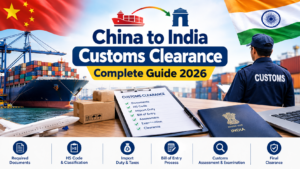
The customs clearance process involves several important stages. While requirements can vary depending on the country, product, and shipment type, the general process includes the following steps.
1. Preparation of Documents
The first step is preparing accurate shipping and commercial documents. Common documents may include a commercial invoice, packing list, bill of lading or airway bill, certificate of origin, import or export licenses, and other documents required for specific products.
Incorrect or incomplete documentation is one of the common reasons for customs delays. Therefore, businesses should ensure that all shipment details are accurate and consistent.
2. Customs Declaration
Shipment information is submitted to the appropriate customs authority through the required declaration process. The declaration generally includes details such as product description, quantity, value, country of origin, classification, and consignee information.
Accurate declarations help customs authorities assess the shipment efficiently.
3. HS Code Classification
Products are classified using Harmonized System (HS) codes. These codes help customs authorities identify products and determine the applicable duties, taxes, and regulatory requirements.
Choosing the correct HS code is important because incorrect classification can result in additional duties, penalties, shipment delays, or compliance issues.
4. Assessment of Duties and Taxes
Customs authorities determine whether import duties, taxes, or other charges apply to the shipment. The amount can depend on factors such as product classification, declared value, country of origin, and applicable trade regulations.
A professional customs clearance service can help businesses understand potential charges and prepare the necessary information before shipment arrival.
5. Customs Inspection
Depending on the shipment and customs procedures, goods may be selected for inspection. Customs officials may examine the shipment to verify that the physical goods match the submitted documentation.
Not every shipment undergoes physical inspection. However, accurate documentation and proper packaging can help reduce complications during the clearance process.
6. Payment and Shipment Release
Once customs requirements have been completed and applicable duties and taxes have been paid, the shipment can receive customs release.
After release, the goods can continue to their destination through the selected transportation or delivery network.
Documents Required for Customs Clearance
Documentation is a critical part of international shipping. Depending on the shipment, destination, and product type, commonly required documents may include:
- Commercial Invoice
- Packing List
- Bill of Lading
- Airway Bill
- Certificate of Origin
- Import or Export License
- Purchase Order
- Insurance Documents
- Product Certificates
- Other Regulatory Documents
The exact requirements can differ by country and commodity. Businesses should verify the applicable requirements before shipping.
Common Customs Clearance Challenges
Customs clearance can become complicated when shipments contain incomplete information or when businesses are unfamiliar with import and export regulations.
Some common challenges include:
Incorrect Documentation
Missing signatures, incorrect product descriptions, inconsistent quantities, or inaccurate values can lead to delays.
Incorrect HS Codes
Incorrect product classification can result in wrong duty calculations and potential compliance issues.
Customs Inspections
Physical inspections can increase clearance time, particularly when documentation does not accurately represent the shipment.
Regulatory Compliance
Certain products may require additional licenses, certificates, approvals, or inspections before they can be imported or exported.
Unexpected Costs
Businesses may face additional duties, taxes, storage charges, examination fees, or other costs if shipments are not properly prepared.
Benefits of Professional Customs Clearance Services
Managing customs procedures internally can be challenging, especially for businesses handling international shipments regularly. Professional customs clearance providers offer specialized knowledge and support throughout the process.
Expert Documentation Support
Experienced professionals can review shipment documents and help identify missing or inconsistent information before submission.
Faster Clearance
Proper preparation can help reduce avoidable delays and support faster customs processing.
Regulatory Compliance
Customs specialists stay informed about applicable procedures and documentation requirements, helping businesses maintain compliance.
Better Cost Management
Accurate classification and documentation can help businesses understand applicable duties and avoid unnecessary penalties or additional charges.
End-to-End Logistics Support
Many customs clearance providers can coordinate customs procedures with freight forwarding, transportation, warehousing, and final delivery.
Customs Clearance for Import and Export
Customs clearance applies to both imports and exports.
Import customs clearance involves obtaining approval for goods entering a country. Customs authorities assess the shipment, verify documentation, determine applicable duties and taxes, and authorize release.
Export customs clearance involves completing the necessary procedures before goods leave the exporting country. Export documentation, product restrictions, licenses, and destination requirements may need to be considered.
Businesses involved in international trade should understand both processes to maintain an efficient supply chain.
How to Avoid Customs Clearance Delays
Businesses can take several practical steps to make customs clearance smoother:
- Prepare documents before shipment arrival.
- Provide accurate product descriptions.
- Use the correct HS classification.
- Declare shipment values accurately.
- Check destination-specific regulations.
- Obtain required licenses and certificates.
- Work with experienced customs professionals.
- Keep commercial and shipping documents consistent.
- Ensure packaging and labeling meet requirements.
- Track the shipment and respond quickly to customs requests.
Proper preparation is one of the most effective ways to reduce customs-related delays.
Choosing the Right Customs Clearance Partner
Selecting the right customs clearance provider is important for businesses that regularly import or export goods. Look for a logistics partner with experience in international trade, customs documentation, freight forwarding, and regulatory procedures.
A reliable provider should offer transparent communication, accurate documentation support, efficient shipment coordination, and professional assistance throughout the customs process.
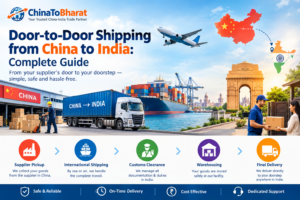
Businesses should also consider whether the provider can integrate customs clearance with other logistics services such as air freight, sea freight, road transportation, warehousing, and door-to-door delivery.
Conclusion
Customs clearance is a vital component of international logistics. From documentation and product classification to duties, inspections, and shipment release, every stage requires accuracy and compliance.
For importers and exporters, efficient customs clearance can reduce delays, control logistics costs, minimize regulatory risks, and improve overall supply chain performance. By preparing accurate documentation and partnering with experienced customs clearance professionals, businesses can move goods across borders with greater confidence.
Whether you are managing occasional international shipments or operating a large import-export business, professional customs clearance support can simplify complex procedures and help keep your global supply chain moving efficiently.