Domestic transportation is a critical part of the supply chain, helping businesses move goods safely and efficiently from one location to another within the country. From manufacturers and wholesalers to retailers and e-commerce companies, reliable transportation services ensure products reach warehouses, distribution centers, businesses, and customers on time.
With growing demand for faster deliveries, businesses need professional domestic transportation solutions that offer flexibility, safety, cost efficiency, and real-time shipment visibility. A dependable logistics partner can simplify transportation management while helping businesses reduce delays, control costs, and improve customer satisfaction.
What Is Domestic Transportation?
Domestic transportation refers to the movement of goods within the borders of a country using different modes of transport, including road, rail, and other suitable transportation networks. It connects suppliers, manufacturers, warehouses, distributors, retailers, and customers across cities and regions.
Depending on the type of cargo, delivery distance, urgency, and budget, businesses can select the most suitable transportation method. Professional logistics providers coordinate the entire movement process to ensure shipments are picked up, transported, tracked, and delivered safely.
Importance of Domestic Transportation
Efficient domestic transportation is essential for maintaining a smooth supply chain. Even when products are manufactured or imported successfully, poor transportation management can result in delays, damaged goods, higher expenses, and dissatisfied customers.
A well-organized domestic transportation system helps businesses:
- Deliver products on time
- Reduce transportation costs
- Improve supply chain efficiency
- Maintain inventory availability
- Reach multiple markets
- Minimize delivery delays
- Protect goods during transit
- Improve customer satisfaction
For businesses operating across multiple cities, reliable transportation is especially important for maintaining consistent product availability and meeting customer expectations.
Road Transportation for Domestic Deliveries
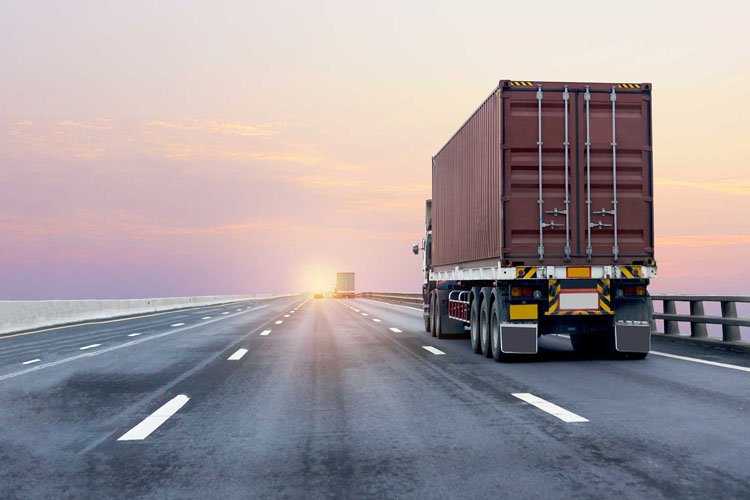
Road transportation is one of the most commonly used methods for domestic cargo movement. Trucks and other commercial vehicles provide flexible solutions for transporting goods between cities, warehouses, factories, distribution centers, and delivery locations.
Road transportation is suitable for both short-distance and long-distance shipments. It can handle different types of cargo, including packaged goods, machinery, raw materials, consumer products, commercial equipment, and industrial materials.
Depending on shipment requirements, businesses can select different vehicle capacities and transportation options. This flexibility makes road transportation an important component of domestic logistics.
Full Truckload and Part Truckload Services
Domestic transportation can be customized according to shipment volume.
Full Truckload (FTL) is suitable when a business has enough cargo to occupy an entire vehicle. It provides direct transportation from the pickup location to the destination, reducing unnecessary handling and potential transit delays.
Part Truckload (PTL) is useful when the shipment does not require an entire truck. Multiple compatible shipments can be transported together, helping businesses optimize transportation costs.
Choosing between FTL and PTL depends on shipment size, urgency, destination, cargo type, and budget.
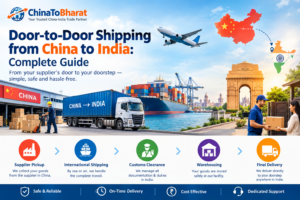
Door-to-Door Domestic Transportation
Door-to-door transportation provides a convenient logistics solution where goods are collected from the sender’s location and delivered directly to the specified destination.
This service reduces the need for businesses to coordinate multiple transportation providers. A logistics partner can manage pickup, transportation, tracking, and final delivery as part of a coordinated process.
Door-to-door transportation is particularly useful for businesses that want simplified logistics operations and predictable delivery management.
Benefits of Professional Domestic Transportation Services
1. Faster Deliveries
Professional logistics providers plan transportation routes and schedules to support timely cargo movement. Efficient route planning can help reduce unnecessary delays and improve delivery performance.
2. Cost Efficiency
Outsourcing transportation can help businesses avoid the expenses associated with maintaining their own fleet, drivers, fuel management, vehicle maintenance, and transportation administration.
3. Better Shipment Safety
Professional transportation services use appropriate handling and transportation procedures to reduce the risk of damage during transit. Cargo can be managed according to its size, weight, packaging, and handling requirements.
4. Flexible Transportation Options
Businesses have different transportation needs. Professional logistics providers can offer vehicle and shipment options based on cargo volume, delivery timelines, destination, and budget.
5. Shipment Tracking
Modern logistics operations increasingly use tracking systems to provide better shipment visibility. Businesses can monitor transportation progress and plan receiving operations more effectively.
6. Reduced Administrative Work
Managing transportation internally can involve scheduling vehicles, coordinating drivers, preparing documents, tracking shipments, and handling delivery updates. Outsourcing these responsibilities allows businesses to focus more on their core operations.
Domestic Transportation for Different Industries
Domestic transportation supports a wide range of industries.
Manufacturing: Raw materials, components, machinery, and finished products can be transported between manufacturing facilities, suppliers, and distribution centers.
Retail: Retail businesses depend on regular transportation to maintain stock levels across stores and warehouses.
E-commerce: Online businesses require efficient movement of products from fulfillment centers to customers and regional distribution points.
Pharmaceuticals: Healthcare-related shipments may require specialized handling, secure transportation, and controlled delivery processes.
Automotive: Automotive manufacturers and suppliers depend on transportation for components, spare parts, equipment, and finished vehicles.
Construction: Construction projects often require transportation of machinery, building materials, tools, and equipment to project locations.
How Domestic Transportation Works
A professional domestic transportation process generally includes several stages:
Shipment Planning
The logistics provider first evaluates the cargo type, quantity, pickup location, destination, delivery deadline, and special requirements.
Vehicle Selection
A suitable vehicle is selected based on shipment dimensions, weight, volume, and transportation requirements.
Pickup
Goods are collected from the designated pickup location according to the agreed schedule.
Transportation
The shipment is moved through the planned route while appropriate handling and safety procedures are followed.
Tracking
Shipment progress can be monitored throughout the transportation journey, allowing businesses to receive important delivery updates.
Final Delivery
The shipment reaches the destination and is handed over to the authorized recipient.
Challenges in Domestic Transportation
Despite its importance, domestic transportation can involve several challenges. Traffic congestion, road conditions, weather disruptions, vehicle availability, fuel costs, unexpected delays, and inaccurate delivery planning can affect transportation performance.
Businesses can reduce these challenges by working with experienced logistics providers that have strong transportation networks, reliable communication systems, route planning capabilities, and appropriate fleet resources.
Proper packaging is also important. Goods should be packed according to their characteristics to reduce the possibility of damage during loading, unloading, and transportation.
How to Choose a Domestic Transportation Partner
Businesses should consider several factors before selecting a domestic transportation service provider.
Look for a logistics partner with:
- Extensive transportation network
- Experienced logistics professionals
- Multiple vehicle options
- Reliable delivery schedules
- Shipment tracking capabilities
- Transparent pricing
- Safe cargo handling
- Strong customer support
- Flexible transportation solutions
- Proven industry experience
A transportation provider should understand the specific requirements of your business and provide solutions that can adapt as shipment volumes and delivery locations change.
Technology in Domestic Transportation
Technology is transforming the way domestic transportation is managed. Digital tracking, route optimization, automated notifications, transportation management systems, and electronic documentation can improve operational efficiency.
Real-time visibility helps businesses understand where shipments are located and anticipate delivery times. Data-driven transportation planning can also help companies identify inefficient routes, improve fleet utilization, and manage transportation expenses.
As supply chains become more connected, technology-driven transportation solutions will continue to play an important role in domestic logistics.
Why Reliable Domestic Transportation Matters
Domestic transportation is more than simply moving goods from one place to another. It is a key connection between different stages of the supply chain. Reliable transportation ensures that materials reach production facilities, finished products reach warehouses, and orders reach customers efficiently.
For businesses competing in fast-moving markets, transportation performance can directly influence operational efficiency and customer experience. A dependable logistics partner can provide the expertise, network, technology, and transportation resources required to keep goods moving.
Conclusion
Domestic transportation is an essential service for businesses that need safe, timely, and cost-effective movement of goods across the country. From road transportation and FTL/PTL shipments to door-to-door delivery and technology-enabled tracking, businesses can choose solutions according to their specific logistics requirements.
Partnering with an experienced domestic transportation provider can simplify supply chain operations, reduce transportation challenges, improve shipment visibility, and support reliable deliveries. With effective planning and the right logistics strategy, businesses can build a stronger and more efficient domestic supply chain while focusing on growth and customer satisfaction.
Frequently Asked Questions
1. What is domestic transportation?
Domestic transportation is the movement of goods within a country’s borders using transportation methods such as road and rail.
2. What types of goods can be transported domestically?
Most commercial goods, including raw materials, finished products, machinery, retail products, equipment, and packaged cargo, can be transported domestically, subject to applicable regulations.
3. What is the difference between FTL and PTL?
FTL uses an entire truck for one shipment, while PTL allows shipments that require only part of a truck’s available capacity to share transportation space.
4. Can domestic transportation include door-to-door delivery?
Yes. Door-to-door transportation can include pickup from the sender’s location and delivery directly to the specified destination.
5. How can businesses reduce domestic transportation costs?
Businesses can reduce costs through efficient route planning, appropriate vehicle selection, shipment consolidation, optimized load utilization, and working with an experienced logistics provider.