International freight forwarding plays a vital role in global trade by helping businesses move goods efficiently from one country to another. Whether you are importing products from China, exporting goods to international markets, or managing large commercial shipments, a reliable freight forwarding partner can simplify the entire shipping process.
From transportation and documentation to customs clearance and final delivery, international freight forwarding services provide end-to-end support for businesses of all sizes. This guide explains how freight forwarding works, its benefits, transportation options, and why choosing the right logistics partner is important for successful global trade.
What Is International Freight Forwarding?
International freight forwarding is the process of arranging and managing the transportation of goods between different countries. A freight forwarder acts as an intermediary between shippers, carriers, customs authorities, warehouses, and other logistics providers.
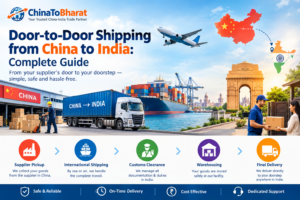
Instead of managing multiple shipping activities yourself, a freight forwarding company coordinates the entire process. This may include cargo pickup, packaging, transportation, documentation, customs clearance, warehousing, shipment tracking, and final delivery.
A professional international freight forwarder helps businesses save time, reduce logistics challenges, and ensure shipments reach their destinations safely and efficiently.
How Does International Freight Forwarding Work?
The international freight forwarding process involves several important steps. Understanding these steps can help businesses plan their shipments more effectively.
1. Shipment Planning
The process begins by understanding the type of goods, shipment volume, destination, delivery timeline, and transportation requirements. The freight forwarder recommends the most suitable shipping method based on cost, urgency, and cargo characteristics.
2. Cargo Pickup
Once the shipment is confirmed, goods are collected from the supplier, manufacturer, warehouse, or designated location. Proper handling at this stage helps minimize the risk of damage during transportation.
3. Documentation
International shipments require accurate documentation. Common documents include commercial invoices, packing lists, bills of lading, certificates of origin, and other trade-related paperwork.
A freight forwarding company helps prepare and coordinate the necessary documents to reduce delays and documentation errors.
4. Transportation
Depending on the shipment requirements, goods can be transported by sea, air, road, rail, or a combination of transportation modes. The forwarder coordinates with carriers and logistics partners to move cargo toward its destination.
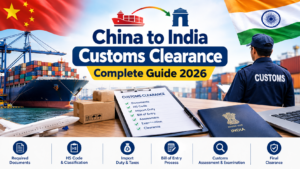
5. Customs Clearance
Customs clearance is one of the most important parts of international shipping. Freight forwarders assist with customs documentation, duties, taxes, classification, and other compliance requirements.
6. Final Delivery
After customs clearance, the cargo is transported to the final destination. Depending on the service, this may include warehouse delivery, business delivery, or door-to-door transportation.
Major Types of International Freight Forwarding Services
Businesses can choose different freight transportation methods depending on their budget, cargo type, and delivery requirements.
Sea Freight
Sea freight is one of the most widely used options for international cargo transportation. It is suitable for large, heavy, and non-urgent shipments.
Businesses can choose between:
- Full Container Load (FCL)
- Less than Container Load (LCL)
Sea freight generally provides an economical solution for high-volume international shipments.
Air Freight
Air freight is ideal for businesses that need faster international transportation. It is commonly used for time-sensitive products, high-value goods, electronics, samples, and urgent shipments.
Although air freight can cost more than sea transportation, its speed makes it valuable for businesses with strict delivery schedules.
Road Freight
Road transportation is commonly used for domestic movement and cross-border shipments where road networks provide convenient access. It can also connect ports, airports, warehouses, and final delivery locations.
Rail Freight
Rail freight can provide a balance between cost and transit time for certain international trade routes. It is particularly useful when businesses require an alternative to air or sea transportation.
Benefits of International Freight Forwarding
Working with a professional freight forwarder can provide several advantages for importers and exporters.
Cost-Effective Shipping
Freight forwarders work with multiple carriers and logistics providers, helping businesses identify suitable transportation solutions according to shipment requirements and budget.
Simplified Logistics Management
Managing international shipping independently can involve multiple parties and complicated processes. Freight forwarding companies coordinate these activities through a centralized logistics service.
Customs Support
Customs procedures can be complex, especially for businesses new to international trade. Experienced freight forwarders provide support with documentation and customs-related processes.
Shipment Tracking
Modern freight forwarding services often provide shipment tracking and status updates, allowing businesses to monitor cargo movement throughout the transportation process.
Reduced Delays
Proper planning, documentation, carrier coordination, and customs support can help minimize unnecessary delays and improve supply chain efficiency.
Door-to-Door Solutions
Many freight forwarding companies offer door-to-door logistics services, covering transportation from the supplier’s location to the final delivery address.
Why Choose a Professional Freight Forwarding Company?
Choosing the right freight forwarding partner can have a direct impact on your international supply chain. An experienced provider understands transportation routes, shipping procedures, customs requirements, documentation, and cargo handling.
When selecting an international freight forwarding company, consider factors such as:
- International shipping experience
- Global logistics network
- Customs clearance support
- Multiple transportation options
- Shipment tracking capabilities
- Transparent pricing
- Cargo handling expertise
- Door-to-door delivery options
- Customer support
- Industry-specific logistics solutions
A reliable logistics partner should provide clear communication throughout the shipping process and help businesses make informed transportation decisions.
International Freight Forwarding for Importers and Exporters
Importers depend on freight forwarding services to bring products, raw materials, machinery, electronics, textiles, and other goods from international suppliers to their local markets.
Exporters, on the other hand, require reliable transportation solutions to deliver products to customers and distributors in international destinations.
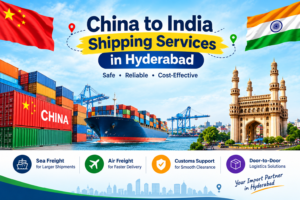
For businesses involved in China to India shipping, freight forwarding can be especially valuable because shipments may involve supplier coordination, cargo consolidation, sea or air transportation, customs clearance, and domestic delivery.
How Freight Forwarding Supports Supply Chain Efficiency
An efficient supply chain requires coordination between suppliers, manufacturers, transport companies, warehouses, customs authorities, and customers.
International freight forwarders connect these different stages and help create a smoother flow of goods. By coordinating transportation, documentation, warehousing, and delivery, they allow businesses to focus on their core operations rather than managing every logistics activity independently.
Technology also plays an increasingly important role. Digital tracking, electronic documentation, automated communication, and shipment visibility can improve transparency and help businesses make faster logistics decisions.
Common Challenges in International Freight Forwarding
International shipping can involve several challenges, including:
- Customs regulations
- Documentation errors
- Port congestion
- Transportation delays
- Changing freight rates
- Cargo damage risks
- Unexpected duties and taxes
- Limited shipment visibility
- International trade compliance
Working with an experienced freight forwarding company can help businesses identify potential problems early and develop appropriate logistics solutions.
Conclusion
International freight forwarding is an essential part of modern global trade. From sea and air freight to customs clearance, warehousing, transportation, and final delivery, professional freight forwarders help businesses manage complex international shipments more efficiently.
Whether you are a small importer, an established exporter, or a growing international business, choosing the right freight forwarding partner can help reduce logistics challenges, improve shipment visibility, control transportation costs, and support reliable deliveries.
With the right international logistics strategy and an experienced freight forwarding company, businesses can build a more efficient supply chain and expand their operations into global markets with greater confidence.
Frequently Asked Questions
1. What is international freight forwarding?
International freight forwarding is the coordination and management of transporting goods between countries, including transportation, documentation, customs clearance, and delivery.
2. Which transportation methods are used in freight forwarding?
The main methods include sea freight, air freight, road freight, and rail freight. The best option depends on cargo size, destination, budget, and delivery time.
3. Why is customs clearance important?
Customs clearance ensures imported and exported goods meet applicable regulatory and documentation requirements before entering or leaving a country.
4. Is sea freight cheaper than air freight?
In many cases, sea freight is more economical for large or heavy shipments, while air freight is generally preferred when speed is the priority.
5. How can a freight forwarder help my business?
A freight forwarder can coordinate transportation, documentation, customs procedures, cargo handling, shipment tracking, warehousing, and final delivery.