Project cargo handling is a specialized logistics service designed for transporting oversized, heavy, high-value, or complex equipment that cannot be moved through conventional freight methods. Industries such as construction, infrastructure, energy, manufacturing, mining, oil and gas, and renewable energy often depend on project cargo logistics to move machinery, industrial equipment, structural components, generators, transformers, turbines, and other large-scale assets safely and efficiently.
Unlike standard freight, project cargo requires detailed planning, specialized equipment, route surveys, permits, lifting solutions, and coordinated transportation. A reliable project cargo handling partner helps businesses manage every stage of the shipment, from initial planning and packaging to transportation, customs clearance, delivery, and installation support.
What Is Project Cargo Handling?
Project cargo handling involves the transportation and management of cargo that is unusually large, heavy, valuable, or difficult to transport using standard containers or vehicles. Such shipments may include construction machinery, power plant equipment, wind turbine components, boilers, industrial vessels, steel structures, and other oversized materials.
Every project cargo shipment has unique requirements. The logistics process must consider cargo dimensions, weight, loading methods, transportation routes, destination infrastructure, weather conditions, legal requirements, and delivery schedules.
Professional project cargo logistics companies develop customized transportation plans to ensure that every movement is safe, compliant, and cost-effective.
Why Project Cargo Logistics Is Important
Large-scale industrial projects often operate according to strict deadlines. A delay in delivering one critical component can affect construction schedules, production operations, and overall project costs.
Professional project cargo handling provides several important advantages:
- Safe transportation of oversized cargo
- Detailed logistics planning
- Specialized lifting and loading equipment
- Route and infrastructure assessment
- Regulatory and permit assistance
- Coordinated multimodal transportation
- Reduced risk of cargo damage
- Better control over project timelines
With experienced logistics coordination, businesses can reduce transportation challenges and maintain better control over complex supply chains.
Key Project Cargo Handling Services
1. Project Planning and Logistics Coordination
The first step in successful project cargo transportation is comprehensive planning. Logistics experts evaluate the cargo dimensions, weight, origin, destination, delivery requirements, and project timeline.
A transportation plan is then developed based on the most suitable combination of road, sea, rail, or air freight. Proper planning helps identify potential challenges before the cargo begins its journey.
2. Route Survey and Planning
Oversized cargo may not be able to travel through standard transportation routes. Bridges, tunnels, narrow roads, sharp turns, low-height structures, and weight restrictions can create significant challenges.
Route surveys help logistics teams identify suitable transportation corridors. They can also determine whether road modifications, special permits, escorts, or temporary infrastructure arrangements are required.
3. Heavy Lift and Specialized Handling
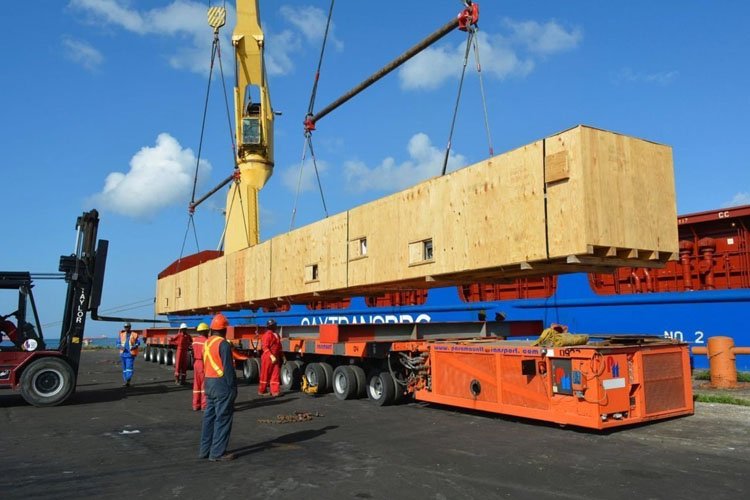
Project cargo frequently requires cranes, hydraulic trailers, forklifts, heavy-lift equipment, and other specialized machinery.
Professional teams coordinate loading and unloading operations carefully to minimize the risk of accidents or cargo damage. Lifting plans are developed according to the cargo’s weight, dimensions, center of gravity, and handling requirements.
4. Ocean Transportation
For international project cargo, sea freight is often an efficient solution for transporting heavy and oversized equipment over long distances.
Depending on cargo specifications, shipments may use Flat Rack, Open Top, Breakbulk, Ro-Ro, or specialized vessel services. Experienced freight forwarders coordinate port operations, vessel schedules, documentation, loading, unloading, and inland transportation.
5. Inland Transportation
After cargo reaches a port, it may need to travel several kilometers or even hundreds of kilometers to reach the final project location.
Specialized low-bed trailers, extendable trailers, modular hydraulic trailers, and other heavy-haul vehicles can be used depending on the cargo requirements.
The transportation plan must account for road conditions, bridge capacities, traffic restrictions, permits, and delivery schedules.
6. Customs Clearance
International project cargo requires accurate documentation and customs coordination. Incorrect classification, missing paperwork, or delays in clearance can significantly affect project schedules.
A professional logistics provider can assist with commercial invoices, packing lists, bills of lading, import documentation, permits, customs procedures, and other regulatory requirements.
7. Warehousing and Temporary Storage
Some project cargo shipments may arrive before the project site is ready to receive them. In such cases, secure warehousing or temporary storage facilities can help protect equipment until final delivery.
Warehousing solutions may include cargo inspection, inventory management, handling, security, and controlled movement of project materials.
Industries That Depend on Project Cargo Handling
Project cargo logistics supports numerous industries, including:
- Power and energy
- Renewable energy
- Construction
- Infrastructure
- Oil and gas
- Mining
- Heavy manufacturing
- Engineering
- Industrial machinery
- Petrochemical projects
- Steel and metal industries
Wind turbines, transformers, generators, industrial boilers, mining equipment, construction machinery, and large structural components are common examples of project cargo.
Challenges in Project Cargo Transportation
Moving oversized and heavy cargo involves several potential challenges. Poor planning can result in delays, additional costs, cargo damage, or regulatory problems.
Common challenges include:
Oversized Dimensions: Cargo may exceed standard road or container limits.
Heavy Weight: Specialized trailers and lifting equipment may be required.
Route Restrictions: Bridges, tunnels, roads, and infrastructure may limit transportation options.
Permits and Regulations: Oversized movements may require government permissions and route-specific approvals.
Port Handling: Specialized equipment and experienced personnel may be necessary for loading and unloading.
Weather Conditions: Strong winds, heavy rain, or extreme weather can affect transportation schedules.
Tight Deadlines: Project delays can increase operational and construction costs.
Experienced logistics professionals identify these risks early and create contingency plans to keep shipments moving.
Benefits of Choosing a Professional Project Cargo Partner
Choosing an experienced project cargo logistics company can provide businesses with greater reliability and operational control.
A professional partner offers:
- End-to-end project coordination
- Customized transportation planning
- Experienced logistics professionals
- Specialized equipment access
- Documentation support
- Customs clearance assistance
- Cargo tracking and visibility
- Risk management
- Timely project delivery
Instead of coordinating multiple transportation providers independently, businesses can work with one logistics partner to manage the complete movement.
Project Cargo Handling in Hyderabad
Hyderabad is an important commercial and industrial hub with strong connections to domestic and international markets. Businesses in sectors such as manufacturing, infrastructure, engineering, pharmaceuticals, energy, and construction may require specialized transportation for heavy and oversized equipment.
Project cargo handling services in Hyderabad can support businesses with transportation planning, domestic movement, port coordination, international freight forwarding, customs clearance, warehousing, and final-mile delivery.
A logistics provider with strong regional and international transportation networks can help connect Hyderabad-based businesses with suppliers and project sites across India and overseas.
How to Choose the Right Project Cargo Logistics Company
Before selecting a project cargo partner, businesses should consider several factors.
Look for a company with experience handling oversized and heavy shipments, access to specialized transportation equipment, strong documentation capabilities, reliable carrier networks, and knowledge of customs and regulatory procedures.
It is also important to evaluate the company’s ability to provide end-to-end coordination. A single point of contact can simplify communication and help ensure that every stage of the project is properly managed.
Conclusion
Project cargo handling requires much more than simply moving goods from one location to another. It involves engineering-based planning, specialized transportation, route assessment, heavy lifting, customs coordination, documentation, risk management, and precise delivery scheduling.
Whether transporting industrial machinery, power equipment, construction materials, renewable energy components, or other oversized cargo, professional project cargo logistics can help businesses reduce risks and maintain project timelines.
By choosing an experienced logistics partner, companies can benefit from reliable transportation planning, specialized handling solutions, international freight coordination, and end-to-end project support. With the right strategy and expertise, even complex heavy and oversized shipments can be transported safely, efficiently, and on schedule.