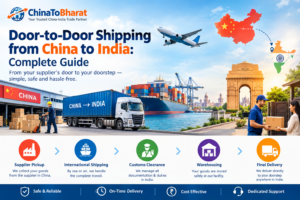

Door-to-door logistics is a complete transportation solution that manages the movement of goods from the supplier’s location directly to the customer’s doorstep. Unlike traditional shipping, where businesses may need to coordinate multiple transportation providers, door-to-door logistics integrates pickup, transportation, customs clearance, warehousing when required, and final delivery under one coordinated service.
For importers, exporters, manufacturers, retailers, and e-commerce businesses, reliable door-to-door logistics can simplify international trade, reduce delays, and improve supply chain efficiency. With professional logistics support, businesses can focus on their core operations while experienced logistics specialists manage the movement of goods from origin to destination.
What Is Door-to-Door Logistics?
Door-to-door logistics is a transportation service in which a logistics provider takes responsibility for collecting goods from the sender’s specified location and delivering them directly to the recipient’s address.
The service can include several stages, such as:
- Pickup from the supplier
- Export documentation
- Transportation to the origin terminal
- Air or sea freight
- Customs clearance
- Import documentation
- Local transportation
- Final-mile delivery
Depending on the shipment requirements, logistics providers can combine different transportation modes to create an efficient route. This makes door-to-door logistics suitable for both domestic and international shipments.
How Does Door-to-Door Logistics Work?
A successful door-to-door shipment involves several coordinated steps. Understanding this process helps businesses plan shipments more efficiently.
1. Shipment Pickup
The process begins with collecting goods from the supplier, manufacturer, warehouse, or designated pickup location. The logistics provider coordinates pickup schedules according to the shipment volume, location, and transportation requirements.
Proper packaging and labeling at this stage can help prevent damage and simplify subsequent handling.
2. Export Transportation
After pickup, goods are transported to the required airport, seaport, warehouse, or consolidation facility. Depending on the shipment type, cargo may be transported by road, rail, air, or sea.
For international shipments, export procedures and documentation must be completed before the cargo leaves the origin country.
3. International Freight Transportation
The shipment is then moved from the origin country to the destination country. Air freight is generally suitable for urgent and time-sensitive shipments, while sea freight is often preferred for larger or heavier cargo where cost efficiency is important.
The choice of transportation depends on cargo size, delivery timeline, destination, and budget.
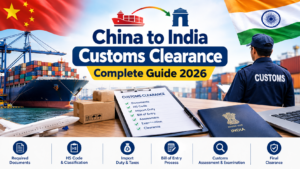
4. Customs Clearance
Customs clearance is an important part of international door-to-door logistics. Imported goods must comply with the customs regulations of the destination country.
Required documents may include commercial invoices, packing lists, shipping documents, certificates, and other regulatory paperwork depending on the nature of the shipment.
Professional customs support can help businesses reduce documentation errors and avoid unnecessary delays.
5. Destination Transportation
Once customs procedures are completed, the cargo moves through the destination country’s transportation network. It may be transferred to a local warehouse, distribution center, or delivery vehicle before reaching the final destination.
6. Final Delivery
The final stage is delivery to the customer’s specified address. This may be a business facility, retail store, warehouse, project site, or residential location.
The logistics provider coordinates the final-mile delivery and confirms successful receipt of the shipment.
Benefits of Door-to-Door Logistics
Simplified Shipping Management
Managing multiple transportation providers can be time-consuming. Door-to-door logistics combines different shipping activities under one coordinated service, making shipment management easier.
Better Supply Chain Visibility
Professional logistics providers can provide shipment updates throughout different stages of transportation. Better visibility helps businesses monitor cargo movement and plan inventory more effectively.
Reduced Administrative Work
International shipments involve transportation documents, customs requirements, invoices, packing lists, and other paperwork. A door-to-door logistics provider can coordinate many of these requirements, reducing the administrative workload for businesses.
Improved Delivery Efficiency
Coordinated transportation can reduce unnecessary transfers and communication gaps between different service providers. This can contribute to smoother and more predictable delivery.
Cost Management
Door-to-door logistics can help businesses manage transportation expenses by coordinating multiple stages through one logistics partner. Depending on shipment volume and route, consolidated transportation can also improve cost efficiency.
Convenient International Shipping
For businesses importing products from countries such as China or exporting goods to international markets, door-to-door logistics offers a convenient way to manage the complete shipment journey.
Door-to-Door Logistics for Importers
Importers often deal with complex supply chains involving suppliers, freight forwarders, customs authorities, transport companies, and warehouses. Door-to-door logistics can simplify this process by coordinating transportation from the overseas supplier through to the importer’s location.
For example, a business importing products from China to India may require supplier pickup, export handling, sea or air transportation, customs clearance, and domestic delivery. A door-to-door logistics provider can coordinate these stages as part of one integrated shipment.
This approach is especially useful for businesses that regularly source products internationally and need consistent logistics support.
Door-to-Door Logistics for E-Commerce Businesses
E-commerce businesses depend heavily on reliable transportation and timely delivery. Delays in receiving inventory can affect product availability, customer satisfaction, and sales.
Door-to-door logistics can support e-commerce businesses by moving products from manufacturers or international suppliers directly to warehouses, fulfillment centers, or business locations.
For growing online businesses, an efficient logistics process can help maintain inventory availability while reducing the complexity of international transportation.
Choosing the Right Door-to-Door Logistics Partner
Selecting the right logistics provider is important for maintaining a reliable supply chain. Businesses should consider several factors before choosing a logistics partner.
International Network
Choose a provider with strong connections across major ports, airports, transportation networks, and destination markets.
Customs Expertise
International shipping requires knowledge of customs procedures and import regulations. A logistics partner with customs clearance expertise can help manage documentation and regulatory requirements.
Multiple Transportation Options
A reliable logistics provider should be able to offer suitable transportation options, including air freight, sea freight, road transportation, and multimodal solutions.
Shipment Tracking
Tracking capabilities provide businesses with greater visibility into shipment status and help them plan receiving and inventory operations.
Transparent Pricing
Businesses should understand the complete logistics cost before confirming a shipment. Transparent quotations can help avoid unexpected charges.
Reliable Customer Support
Responsive communication is essential when shipments encounter delays, documentation issues, or changes in delivery requirements. A dependable logistics provider should offer timely support throughout the shipment journey.
Why Door-to-Door Logistics Matters for Global Trade
Global supply chains involve multiple countries, transportation modes, regulations, and stakeholders. Without effective coordination, even a simple shipment can become complicated.
Door-to-door logistics brings these activities together through an integrated transportation process. By combining freight forwarding, customs clearance, transportation, documentation, and final delivery, businesses can create a smoother supply chain.
For companies expanding into international markets, this approach can provide greater convenience and operational efficiency.
Conclusion
Door-to-door logistics provides a complete solution for moving goods from the supplier’s location directly to the final destination. From pickup and international transportation to customs clearance and final-mile delivery, each stage can be coordinated through a single logistics partner.
For importers, exporters, manufacturers, retailers, and e-commerce companies, choosing an experienced logistics provider can simplify international shipping, improve shipment visibility, reduce administrative effort, and support more efficient supply chain management.
As global trade continues to grow, reliable door-to-door logistics remains an important service for businesses seeking convenient, efficient, and well-coordinated transportation solutions.