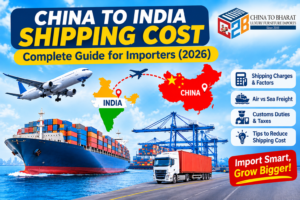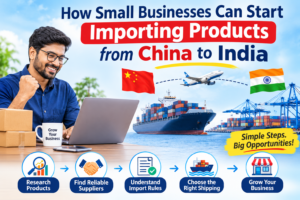
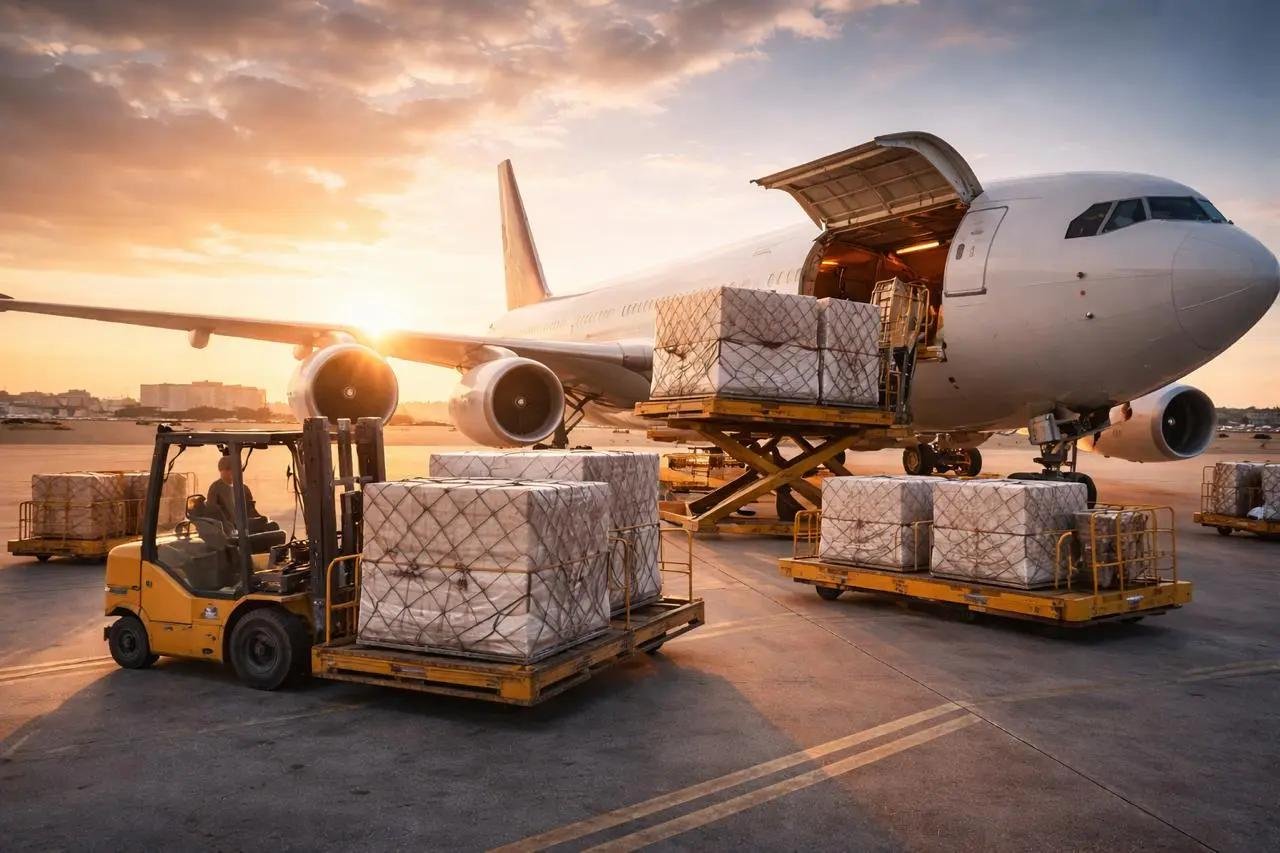
Importing products from China to India can help businesses access competitive prices, a wide range of products, and reliable manufacturing options. However, choosing the right shipping method is essential for controlling costs, managing inventory, and delivering products on time.
Two of the most popular options are air freight and sea freight from China to India. Air freight is generally faster and suitable for urgent or high-value shipments, while sea freight is often more economical for bulky, heavy, and large-volume cargo.
But which option is best for your business? In this guide, we compare air freight vs sea freight based on shipping costs, transit times, benefits, limitations, and practical considerations for Indian importers in 2026.
Air Freight vs Sea Freight: Quick Comparison
| Factor | Air Freight | Sea Freight |
|---|---|---|
| Typical transit time | Around 3–7 days airport-to-airport | Around 10–35 days port-to-port |
| Shipping cost | Generally higher | Generally lower per unit for large shipments |
| Best for | Urgent, lightweight, high-value goods | Heavy, bulky, large-volume cargo |
| Pricing method | Chargeable weight | Container space or cargo volume and weight |
| Shipment options | Standard air cargo and express services | FCL and LCL |
| Inventory planning | Suitable for urgent replenishment | Suitable for planned, bulk orders |
| Main advantage | Speed | Cost efficiency for larger shipments |
Note: These are indicative planning ranges, not guaranteed delivery times. Actual transit depends on the route, carrier, cargo, customs clearance, and final destination.
1. What Is Air Freight from China to India?
Air freight is the transportation of commercial goods by aircraft from a Chinese airport to an Indian airport. It is commonly used by businesses that need products delivered quickly.
Major Chinese cargo hubs include Shanghai, Guangzhou, and Shenzhen. Common Indian destinations include Delhi, Mumbai, Bengaluru, and Chennai.
Benefits of air freight
Faster delivery: Air freight can move goods between major airports in approximately 3–7 days, although customs processing and final-mile delivery may extend the total time.
Suitable for high-value products: Electronics, specialised components, product samples, and certain medical or industrial items may benefit from shorter transit times.
Faster inventory replenishment: Businesses can restock popular products quickly and reduce the risk of running out of essential inventory.
Useful for smaller urgent shipments: When a delayed delivery could result in lost sales or production downtime, the additional freight cost may be worthwhile.
Disadvantages of air freight
The main drawback is cost. Air freight is usually more expensive than sea freight, particularly for heavy or bulky goods. Airlines also apply restrictions to certain cargo, including dangerous goods and some battery shipments.
Air freight charges are often calculated using chargeable weight, which considers both the actual weight and the shipment’s volumetric weight. Lightweight but bulky packages can therefore cost more than expected.
2. What Is Sea Freight from China to India?
Sea freight involves transporting goods by cargo ship between Chinese and Indian seaports. It is a popular option for manufacturers, wholesalers, distributors, and importers purchasing large quantities of products.
Depending on the shipment, businesses can choose between Full Container Load (FCL) and Less than Container Load (LCL).
Full Container Load (FCL)
FCL means reserving an entire shipping container for your cargo. It is generally suitable for large shipments that justify the cost of a full container.
Benefits include dedicated container space, reduced cargo handling compared with consolidated shipments, and potentially better cost efficiency for large volumes.
Less than Container Load (LCL)
LCL allows multiple importers to share container space. You pay for the space used by your shipment instead of booking an entire container.
This option can work well for small and medium-sized businesses that do not import enough goods to fill a container. However, consolidation and deconsolidation can add handling time and charges.
Benefits of sea freight
- Lower freight costs for large shipments: Sea freight generally offers better economics for heavy and bulky products.
- Flexible cargo capacity: FCL and LCL options accommodate different shipment sizes.
- Suitable for bulk imports: Furniture, machinery, textiles, packaging materials, and many other products can be transported by sea, subject to applicable regulations.
- Better planning for recurring orders: Businesses can schedule larger shipments in advance to support predictable inventory requirements.
Disadvantages of sea freight
Sea freight takes longer than air freight. Port congestion, vessel schedules, transshipment, customs examinations, and inland transportation can affect delivery schedules.
Importers should also budget for potential port handling, container-related charges, storage, and demurrage or detention where applicable.
3. Air Freight vs Sea Freight: Which Is Cheaper?
For many importers, cost is the deciding factor when choosing a shipping method.
Sea freight is generally cheaper for large and heavy shipments, while air freight offers speed at a higher transportation cost.
However, the cheapest quoted freight rate does not always mean the lowest total landed cost.
For example, a small urgent shipment of electronic components may be more practical by air if waiting several weeks would interrupt production. A large order of furniture or other bulky goods will often be better suited to sea freight.
When comparing quotations, consider:
- Pickup charges at the Chinese supplier’s location.
- Export handling and documentation.
- Air or ocean freight charges.
- Cargo insurance, where appropriate.
- Indian port or airport handling fees.
- Customs clearance and applicable import duties and taxes.
- Warehousing and inland transportation.
- Additional charges arising from delays or special handling.
Ask your freight forwarder for a written quotation showing what is included and excluded. This makes it easier to compare the actual cost of shipping from China to India.
4. How Long Does Shipping from China to India Take?
Air freight is normally the faster option, but the quoted transit time should be understood correctly.
Air freight delivery time
Air cargo may take approximately 3–7 days between major airports, depending on the route and service. Door-to-door delivery can take longer because of supplier pickup, export processing, customs clearance, and delivery to the final address.
Sea freight delivery time
Sea freight may take approximately 10–35 days port-to-port, depending on the origin and destination ports, sailing schedules, and routing. LCL shipments can require additional time for consolidation and deconsolidation.
Door-to-door shipping can take longer than port-to-port transit because it includes pickup, export handling, import clearance, and inland delivery.
Tip: If your goods are needed for a festival, promotional campaign, product launch, or manufacturing deadline, plan around the estimated door-to-door delivery date rather than the flight or vessel transit time alone.