Introduction
India’s e-commerce industry is growing rapidly, creating exciting opportunities for Amazon and Flipkart sellers. Many online sellers source products from China because of its competitive manufacturing costs, extensive product variety, and large supplier network. However, importing products from China to India involves several challenges, including international shipping, customs clearance, import duties, documentation, and last-mile transportation.
Choosing the right China to India logistics solutions for Amazon and Flipkart sellers can make a significant difference in business profitability, inventory management, and customer satisfaction.
Whether you are an established e-commerce business or a beginner planning to launch your online store, understanding the import and logistics process can help you build a reliable supply chain.
In this guide, we explore shipping methods, customs procedures, logistics challenges, and practical tips for importing products from China to India successfully.
Why Amazon and Flipkart Sellers Import Products from China
China is one of the world’s largest manufacturing and sourcing destinations. Indian e-commerce sellers frequently import products from Chinese manufacturers and wholesalers to access affordable and innovative merchandise.
Some popular product categories include:
- Mobile accessories and electronic gadgets.
- Home and kitchen appliances.
- Fashion accessories and lifestyle products.
- Toys, stationery, and educational products.
- LED lighting and decorative products.
- Fitness accessories and consumer goods.
Importing directly from Chinese manufacturers can help sellers access competitive wholesale prices and a wider selection of products.
However, the actual profitability of an imported product depends on more than its purchase price. Shipping costs, customs duties, taxes, compliance requirements, marketplace fees, and storage expenses must also be considered.
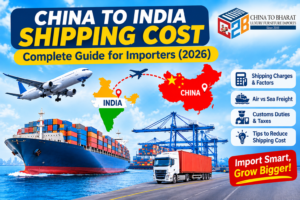
Best Shipping Methods from China to India
Selecting the right shipping method is essential for managing costs and maintaining sufficient inventory for Amazon and Flipkart orders.
1. Air Freight from China to India
Air freight is a suitable option for sellers who need products quickly or are importing lightweight, high-value goods.
Advantages of air freight:
- Faster transportation compared to sea freight.
- Suitable for urgent inventory replenishment.
- Ideal for lightweight and valuable products.
- Useful for small and medium-sized shipments.
Air freight generally costs more than sea freight. Sellers should compare the transportation cost against the expected profit margin before selecting this option.
2. Sea Freight from China to India
Sea freight is commonly used for bulk imports and large commercial shipments.
Advantages of sea freight:
- Economical for large quantities.
- Suitable for heavy and bulky products.
- Helps reduce transportation costs per unit.
- Useful for businesses importing inventory regularly.
Sea freight usually requires more transportation time and additional planning for port handling, customs clearance, and inland delivery.
3. Express Courier Services
International express courier services are useful for product samples, documents, and smaller urgent shipments.
They offer convenient door-to-door transportation, tracking facilities, and simplified shipping processes, depending on the service and shipment type.
Amazon and Flipkart sellers can use express shipping to evaluate product samples before placing larger orders with Chinese suppliers.
How China to India Logistics Works for E-Commerce Sellers
Understanding the complete import process helps sellers avoid unnecessary delays and unexpected expenses.
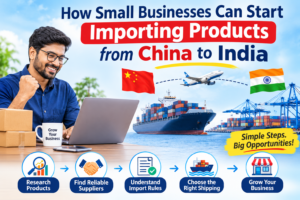
Here are the major steps involved:
Step 1: Find a Reliable Chinese Supplier
Identify manufacturers or wholesalers through sourcing platforms, trade networks, and verified supplier directories. Check product quality, pricing, minimum order quantities, and supplier credentials before placing an order.
Step 2: Confirm Product Specifications
Discuss product materials, packaging, branding, quantities, and delivery requirements. Request samples whenever possible to verify product quality.
Step 3: Select a China to India Shipping Partner
Choose a logistics company that can coordinate international transportation, shipment tracking, documentation, customs clearance support, and delivery to the required Indian destination.
Step 4: Arrange Export Documentation
Ensure that the supplier and logistics partner prepare the necessary shipping and commercial documents. These may include commercial invoices, packing lists, transport documents, and applicable certificates.
Step 5: Complete Indian Customs Clearance
Imported goods must comply with Indian customs regulations. The importer must ensure correct product classification, valuation, applicable duties, taxes, and regulatory approvals.
Step 6: Transport Goods to Your Warehouse
After customs clearance, arrange transportation to your warehouse, fulfilment centre, or other designated delivery location.
Step 7: Prepare Inventory for Amazon and Flipkart
Inspect the received products, verify quantities, apply marketplace-specific labels and packaging, and prepare inventory according to the platform’s current fulfilment requirements.
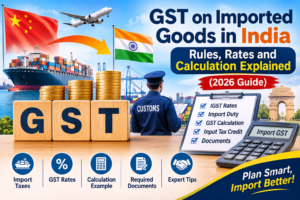
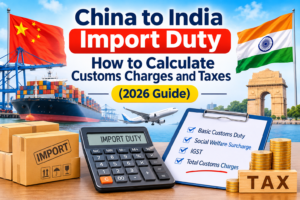
Customs Clearance and Import Duties in India
Customs clearance is one of the most important parts of importing products from China.
Amazon and Flipkart sellers must understand the documentation and regulatory requirements before importing commercial shipments.
Common requirements may include:
- Importer Exporter Code (IEC), where applicable.
- Commercial invoice.
- Packing list.
- Bill of Lading or Airway Bill.
- Correct HS code and product classification.
- Applicable customs duty and IGST.
- Product-specific licences, registrations, or certifications where required.
Import duties vary depending on the product category, classification, country of origin, and applicable customs notifications.
Certain products may also require additional compliance under regulations administered by authorities such as BIS, WPC, FSSAI, or other relevant departments.
Sellers should consult a qualified customs broker or import professional to verify current requirements before shipping.
Common Logistics Challenges Faced by Amazon and Flipkart Sellers
Importing products from China can be profitable, but sellers may encounter several operational challenges.
1. Unexpected Shipping Costs
Freight charges, insurance, customs duties, port handling, and local transportation can increase the total landed cost.
Solution: Request a detailed shipping quotation and calculate the complete landed cost before confirming your purchase.
2. Customs Delays
Incorrect documentation, inaccurate product declarations, and missing approvals can delay customs clearance.
Solution: Verify documentation and regulatory requirements before dispatch.
3. Product Quality Issues
Products may differ from the samples or specifications agreed upon with suppliers.
Solution: Conduct pre-shipment quality inspections and confirm product specifications in writing.
4. Inventory Shortages
Delayed shipments can cause sellers to run out of stock, resulting in missed sales opportunities.
Solution: Maintain safety stock and plan inventory replenishment according to product demand and shipping timelines.
5. Poor Shipment Visibility
Without proper tracking and communication, sellers may struggle to estimate when their inventory will arrive.
Solution: Work with a logistics partner that provides regular shipment updates and clear communication.
How to Calculate Landed Cost for Amazon and Flipkart Products
One of the biggest mistakes new importers make is considering only the supplier’s product price.
The actual landed cost includes all expenses required to bring the goods to the destination.
A basic landed-cost calculation includes:
- Product purchase price.
- International freight charges.
- Shipping insurance, where applicable.
- Customs duties and applicable taxes.
- Customs clearance and handling charges.
- Inland transportation.
- Packaging and inspection expenses.
Example:
Suppose you import 500 units of a product from China. The total product purchase price is ₹1,00,000, and the combined freight, clearance, and other applicable import expenses are ₹30,000.
Your estimated landed cost before any recoverable tax adjustments is ₹1,30,000.
Estimated landed cost per unit:
₹1,30,000 ÷ 500 = ₹260 per unit.
You should then include marketplace commissions, fulfilment fees, advertising expenses, packaging, returns, and other operating costs to calculate your actual selling profit.
Tips for Choosing the Best China to India Logistics Partner
Selecting a dependable logistics provider is essential for long-term e-commerce growth.
Consider these factors before choosing a logistics company:
- International Shipping Experience: Choose a provider experienced in China-to-India commercial shipments.
- Multiple Shipping Options: Look for air freight, sea freight, and express courier services.
- Customs Clearance Support: Confirm that the provider can coordinate customs documentation and clearance assistance.
- Transparent Pricing: Request a detailed quotation covering freight, handling, and additional charges.
- Shipment Tracking: Choose a provider that offers regular shipment updates.
- Door-to-Door Delivery: Check whether delivery to your warehouse or designated location is available.
- Responsive Customer Support: Reliable communication helps resolve shipping issues quickly.
The right logistics partner should understand your business requirements and help you manage shipments efficiently.
How ChinaToBharat Helps Indian E-Commerce Sellers
For Indian entrepreneurs sourcing products from China, having a dependable logistics partner can simplify international shipping and import coordination.
ChinaToBharat helps businesses explore China-to-India shipping and logistics solutions for their importing requirements.
Whether you are sourcing products for Amazon, Flipkart, or your independent e-commerce website, choosing the right shipping approach can help you manage transportation costs, coordinate shipments, and plan inventory more effectively.
Before selecting a logistics solution, discuss your product category, shipment volume, delivery destination, and expected timeline to identify a suitable shipping option.
Visit https://chinatobharat.com/ to explore China-to-India logistics solutions and discuss your import requirements.
Conclusion
China to India logistics solutions play an important role in the success of Amazon and Flipkart sellers. From selecting reliable Chinese suppliers to arranging international shipping, completing customs clearance, and delivering inventory to warehouses, every stage requires careful planning.
Air freight, sea freight, and express courier services offer different advantages depending on shipment size, product value, urgency, and budget.
By calculating landed costs, preparing accurate documentation, understanding Indian import regulations, and working with a reliable logistics partner, e-commerce sellers can build a more efficient and profitable supply chain.
If you are planning to source products from China for your Amazon or Flipkart business, invest in the right logistics strategy to support sustainable business growth.