Sea freight is one of the most reliable and cost-effective methods of transporting goods internationally. Whether you are importing products from China to India, exporting goods to global markets, or managing regular commercial shipments, Sea Freight (FCL & LCL) provides flexible solutions for businesses of different sizes.
Full Container Load (FCL) and Less than Container Load (LCL) allow businesses to select a shipping method based on cargo volume, budget, delivery requirements, and logistics needs. With professional freight forwarding and customs support, businesses can simplify international shipping while improving supply chain efficiency.
What Is Sea Freight?
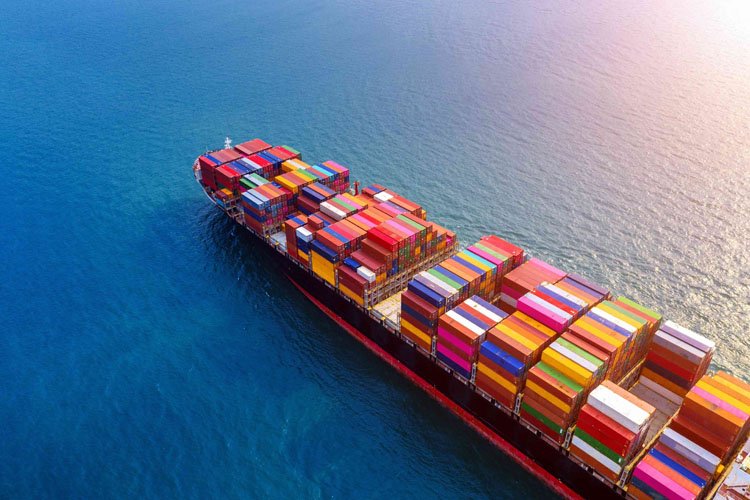
Sea freight is the transportation of goods by cargo vessels between international ports. It is widely used for moving commercial products, raw materials, machinery, electronics, textiles, furniture, industrial equipment, and other goods.
Compared with air freight, sea freight generally offers lower transportation costs for large or heavy shipments. Although transit times can be longer, businesses benefit from greater cargo capacity and flexible shipping options.
A professional sea freight forwarding service helps coordinate transportation, documentation, customs clearance, port handling, container management, and final delivery.
What Is FCL Shipping?
FCL stands for Full Container Load. In FCL shipping, a business uses an entire shipping container for its cargo, even if the container is not completely filled.
FCL is particularly suitable for businesses shipping large quantities of goods or products that require dedicated container space.
Benefits of FCL Shipping
- Dedicated container for your cargo
- Reduced cargo handling
- Better shipment security
- Suitable for large-volume shipments
- Efficient loading and unloading
- Lower risk of cargo mixing
- Predictable container transportation
FCL can be an excellent choice when your shipment is large enough to justify an entire container. It can also provide greater control over the movement of your cargo throughout the shipping process.
What Is LCL Shipping?
LCL stands for Less than Container Load. It is designed for shipments that do not require a complete shipping container. Your cargo shares container space with shipments belonging to other businesses.
LCL is useful for small and medium-sized shipments because businesses only pay for the space their cargo occupies rather than booking an entire container.
Benefits of LCL Shipping
- Cost-effective for smaller shipments
- No need to fill an entire container
- Flexible shipping options
- Suitable for small businesses
- Efficient international transportation
- Access to global shipping networks
For businesses that regularly import smaller quantities, LCL shipping services can provide a practical alternative to air freight or full-container shipping.
FCL vs. LCL: Which Is Better?
Choosing between FCL and LCL depends on several factors, including cargo volume, shipment value, delivery requirements, and budget.
| Feature | FCL | LCL |
|---|---|---|
| Container | Dedicated | Shared |
| Best For | Large shipments | Smaller shipments |
| Cargo Handling | Lower | Higher |
| Cost Efficiency | Large volumes | Small volumes |
| Security | Higher control | Shared container |
| Flexibility | High for bulk cargo | High for smaller cargo |
If you have enough cargo to efficiently use a complete container, FCL may be more economical and straightforward. For smaller shipments, LCL can reduce transportation costs by allowing you to pay only for the space required.
Why Choose Sea Freight for International Shipping?
Sea freight remains a preferred transportation method for international trade because of its capacity, affordability, and global reach.
1. Cost-Effective Transportation
Sea freight is generally more economical than air freight for heavy and large-volume shipments. Businesses can reduce logistics costs by choosing appropriate container sizes and shipping methods.
2. High Cargo Capacity
Cargo vessels can transport significant quantities of goods. This makes sea freight ideal for bulk shipments, machinery, industrial products, furniture, construction materials, and commercial inventory.
3. Global Port Connectivity
International shipping routes connect major ports across Asia, Europe, North America, the Middle East, and other regions. This makes sea freight suitable for businesses involved in global sourcing and international trade.
4. Flexible Shipping Options
With both FCL and LCL available, businesses can choose a solution according to shipment size and requirements.
5. Suitable for Heavy Cargo
Heavy and oversized goods can often be transported more efficiently by sea than by air, subject to applicable shipping and handling requirements.
Sea Freight Shipping Process
Understanding the shipping process helps businesses prepare documents and cargo correctly.
Step 1: Shipment Planning
The freight forwarder evaluates cargo type, dimensions, weight, origin, destination, and required delivery schedule.
Step 2: FCL or LCL Selection
Based on shipment volume and logistics requirements, the appropriate container or consolidation option is selected.
Step 3: Cargo Pickup
Goods are collected from the supplier, warehouse, or designated location and transported to the appropriate facility or port.
Step 4: Documentation
Important shipping documents are prepared and verified. These may include commercial invoices, packing lists, bills of lading, certificates, and customs-related documentation.
Step 5: Customs Clearance
Export customs procedures are completed before the shipment is loaded for international transportation.
Step 6: Ocean Transportation
The cargo is loaded onto the vessel and transported to the destination port.
Step 7: Import Customs Clearance
After arrival, the shipment undergoes destination-country customs procedures.
Step 8: Final Delivery
Once customs clearance and port formalities are completed, the cargo is transported to the customer’s warehouse or final destination.
Common Sea Freight Challenges
International sea freight involves several challenges that businesses need to manage carefully.
Transit Delays: Weather conditions, port congestion, vessel schedules, and operational issues can affect delivery timelines.
Customs Issues: Incorrect documentation or regulatory requirements can delay cargo clearance.
Cargo Damage: Improper packaging and handling may increase the risk of damage during transportation.
Unexpected Costs: Storage, demurrage, detention, handling, and other charges can increase the overall logistics cost if shipments are not managed properly.
Shipment Visibility: Businesses need accurate tracking and communication throughout the transportation process.
Working with an experienced freight forwarding partner can help minimize these risks through proper planning, documentation, shipment monitoring, and coordination.
How to Reduce Sea Freight Costs
Businesses can take several steps to optimize their shipping expenses:
- Compare FCL and LCL options
- Consolidate smaller shipments
- Optimize packaging and cargo dimensions
- Plan shipments in advance
- Select suitable container sizes
- Prepare customs documents accurately
- Avoid unnecessary port storage
- Work with experienced freight forwarders
- Monitor additional shipping charges
- Coordinate pickup and delivery efficiently
Effective freight planning can help businesses control transportation costs without compromising shipment reliability.
Sea Freight for China to India Shipping
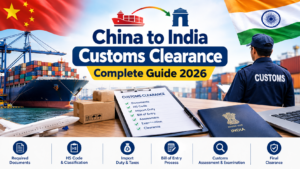
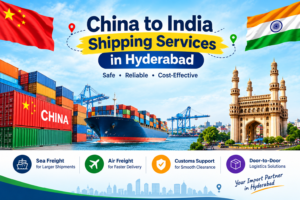
China is one of the world’s major manufacturing and sourcing markets, making China to India sea freight an important logistics solution for Indian importers.
Businesses importing electronics, machinery, furniture, industrial products, raw materials, textiles, and other commercial goods can use FCL or LCL shipping depending on shipment volume.
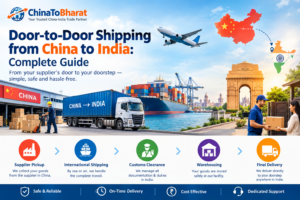
A reliable logistics partner can coordinate supplier pickup, cargo consolidation, export documentation, ocean transportation, Indian customs clearance, and final delivery. This integrated approach can make the import process more efficient and easier to manage.
Why Choose a Professional Sea Freight Forwarder?
Managing international shipping independently can involve multiple parties, documents, regulations, and transportation stages. A professional freight forwarder coordinates these activities and provides a single point of contact.
A reliable sea freight forwarding company can assist with:
- FCL and LCL shipping
- Port-to-port transportation
- Door-to-door delivery
- Cargo consolidation
- Customs clearance
- Documentation support
- Cargo tracking
- Warehousing and distribution
- Inland transportation
- Import and export coordination
Choosing the right logistics partner can help businesses improve supply chain visibility, reduce operational challenges, and maintain smoother international trade operations.
Conclusion
Sea Freight (FCL & LCL) offers businesses a flexible and economical way to transport goods internationally. FCL provides dedicated container space for larger shipments, while LCL allows smaller shipments to share container capacity and reduce transportation costs.
From cargo pickup and documentation to customs clearance, ocean transportation, and final delivery, professional freight forwarding services can simplify the entire shipping process.
For businesses involved in international trade, selecting the right sea freight solution is essential for controlling logistics costs, protecting cargo, and maintaining an efficient supply chain. With proper planning and an experienced logistics partner, FCL and LCL shipping can support reliable and scalable global transportation.