Introduction
Importing products from China to India is an opportunity for businesses looking to source electronics, machinery, textiles, home accessories, industrial components, and other goods at competitive prices. However, successful importing requires proper supplier verification, product compliance, shipping arrangements, and customs documentation.
In 2026, Indian importers must understand the applicable import regulations, taxes, and product-specific restrictions before placing an order. Whether you are a small business owner, wholesaler, retailer, or established importer, this complete guide explains how to import products from China to India step by step.
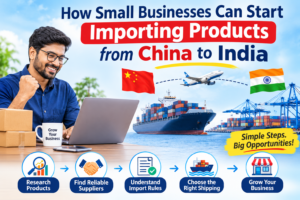
1. Research Products and Market Demand
The first step is choosing the right products to import from China. Research Indian market demand, competitors, selling prices, and expected profit margins before investing money.
Popular product categories may include:
- Electronics and accessories
- Industrial machinery and spare parts
- Home and kitchen products
- Textiles and fashion accessories
- Packaging materials
- Tools and hardware
- Commercial equipment
Before selecting a product, check whether it requires special approvals, testing, certification, or import restrictions in India. Certain products, including regulated electronics, wireless devices, and toys, may require compliance with specific Indian standards.
Pro tip: Start with a small trial order and calculate the complete landed cost before importing large quantities.
2. Find Reliable Chinese Suppliers
Finding a trustworthy supplier is essential when importing products from China to India. You can search through B2B marketplaces, attend trade fairs, contact manufacturers directly, or work with a professional sourcing company.
Before finalizing a supplier, verify:
- Business registration and company details
- Product quality and manufacturing capability
- Minimum order quantity (MOQ)
- Sample availability
- Production timelines
- Packaging and labeling requirements
- Payment terms and export experience
Request product samples, specifications, photos, and videos before confirming a large order. Use a written purchase agreement that clearly defines quality standards, delivery timelines, and responsibilities.
A reliable sourcing partner can help with supplier verification, price negotiation, product inspections, and shipment coordination.
3. Obtain the Required Import Documents
Indian businesses generally need an Importer Exporter Code (IEC) issued by the Directorate General of Foreign Trade (DGFT) for commercial imports, subject to applicable exemptions.
Prepare the necessary documents before shipping the goods. These commonly include:
- Importer Exporter Code (IEC)
- Commercial invoice
- Packing list
- Bill of lading or air waybill
- Bill of Entry
- Certificate of origin, when applicable or required
- Product-specific licenses and compliance documents
- Insurance certificate, if insured
- Purchase order and payment records
Requirements vary according to the product, transaction, and applicable regulations. Check the latest DGFT, Indian Customs, and relevant regulatory authority requirements before dispatch.
Missing or incorrect documents can cause customs delays, additional expenses, or shipment holds.
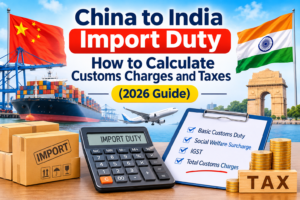
4. Check Import Duties and Taxes in India
Understanding import duty is essential when calculating the total cost of importing products from China to India. Depending on the product classification and applicable notifications, import charges may include:
- Basic Customs Duty (BCD)
- Social Welfare Surcharge, where applicable
- Integrated Goods and Services Tax (IGST)
- Anti-dumping or safeguard duties, if applicable
- Port handling, customs clearance, and other logistics charges
The applicable duty depends on the product’s HS/CTH classification, customs value, country of origin, and current regulations. Use the official ICEGATE Import Duty Calculator and Trade Guide to check the applicable rates.
ICEgate
+1
Important: Do not calculate your profit using only the supplier’s product price. Include freight, insurance, customs duties, taxes, clearance, and delivery costs.
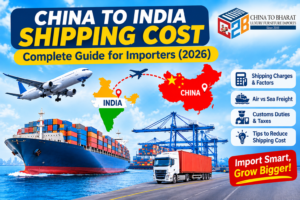
5. Choose the Best Shipping Method from China to India
Selecting the right shipping method depends on shipment size, urgency, budget, and product type.

Air Freight
Suitable for urgent shipments, lightweight goods, samples, and high-value products. Air freight generally offers faster transit but costs more per kilogram than sea freight.

Sea Freight (FCL and LCL)
Ideal for large or heavy shipments. FCL means a full container load, while LCL allows multiple shipments to share container space. Sea freight usually takes longer but can reduce transportation costs for suitable shipments.

Door-to-Door Shipping
A coordinated service covering multiple stages, from supplier pickup to delivery at the destination. Confirm whether the quotation includes customs clearance, duties, insurance, and final delivery.
6. Complete Customs Clearance in India
Customs clearance is a critical stage of importing goods from China. After the shipment arrives, the importer or authorized customs broker submits the required information and documents.
The usual process includes:
- Submit the Bill of Entry and supporting documents.
- Provide accurate product descriptions, classification, and declared values.
- Allow customs examination or assessment when required.
- Pay applicable customs duties and taxes.
- Obtain customs clearance and arrange cargo delivery.
Indian Customs requires a Bill of Entry for imported goods, subject to applicable procedures and exceptions. Incorrect declarations or missing compliance documents can delay clearance.
CBIC Tax Information
+1
For products subject to mandatory BIS certification or other regulatory requirements, confirm compliance before shipment. You can check the Bureau of Indian Standards for relevant product requirements.
Bureau of Indian Standards
+1
7. Calculate the Total Landed Cost
Before placing your order, estimate the complete landed cost of the goods.
Landed Cost = Product Cost + China Inland Transport + International Freight + Insurance + Customs Duties and Taxes + Clearance Charges + Indian Delivery Costs
For example, a product purchased for ₹1,00,000 will cost more than ₹1,00,000 once shipping, taxes, and other import expenses are included. The final amount depends on the product classification, shipment details, and applicable rates.
Ask your freight forwarder for an itemized quotation so you can understand every charge and calculate your expected profit margin.
8. Partner with a Reliable China-to-India Logistics Company
Working with an experienced logistics company can simplify international shipping and help reduce avoidable delays. A professional logistics partner can coordinate supplier pickup, cargo consolidation, air and sea freight, documentation, customs brokerage, and delivery.
China To Bharat can be positioned as a logistics partner for businesses seeking China-to-India shipping and import support. Before booking, confirm the services offered, shipment tracking arrangements, insurance options, customs responsibilities, and final delivery terms.
Choose a logistics provider that communicates clearly, offers transparent pricing, and understands the documentation and compliance requirements relevant to your products.
Common Mistakes to Avoid When Importing from China
Avoid these common mistakes to improve your importing experience:
- Choosing suppliers without verifying their credentials.
- Ordering bulk quantities without testing samples.
- Ignoring Indian product certification requirements.
- Underestimating customs duties and shipping expenses.
- Providing inaccurate invoices or product descriptions.
- Selecting shipping services without checking the full quotation.
- Making payments without clear contractual terms.
Planning each step carefully can help protect your investment and support long-term business growth.
Conclusion
Importing products from China to India in 2026 can create valuable opportunities for retailers, manufacturers, wholesalers, and entrepreneurs. Success depends on selecting reliable suppliers, obtaining the correct documents, checking import regulations, calculating duties, and choosing suitable shipping methods.
With proper planning and professional logistics support, businesses can streamline their supply chains and manage international shipments more effectively. China To Bharat can help businesses explore China-to-India freight and import logistics solutions based on their shipment requirements.
Frequently Asked Questions (FAQs)
1. Is an IEC required to import products from China to India?
Generally, yes. An Importer Exporter Code issued by DGFT is required for commercial imports unless a specific exemption applies.
DGFT Content
2. What is the cheapest way to import goods from China to India?
Sea freight is often economical for large shipments. The best option depends on cargo volume, weight, delivery timeline, and destination.
3. How much import duty is charged on Chinese products in India?
There is no single rate for all products. Duty depends on the product’s classification and applicable customs rules. Check ICEGATE before importing.
4. Which documents are required to import goods from China?
Common documents include an IEC where required, commercial invoice, packing list, transport document, and Bill of Entry. Additional documents may be needed for regulated products.
5. Can I import products from China using door-to-door shipping?
Yes, door-to-door shipping services are available for eligible shipments. Confirm which transportation, customs, tax, insurance, and delivery charges are included in the quote.