Introduction
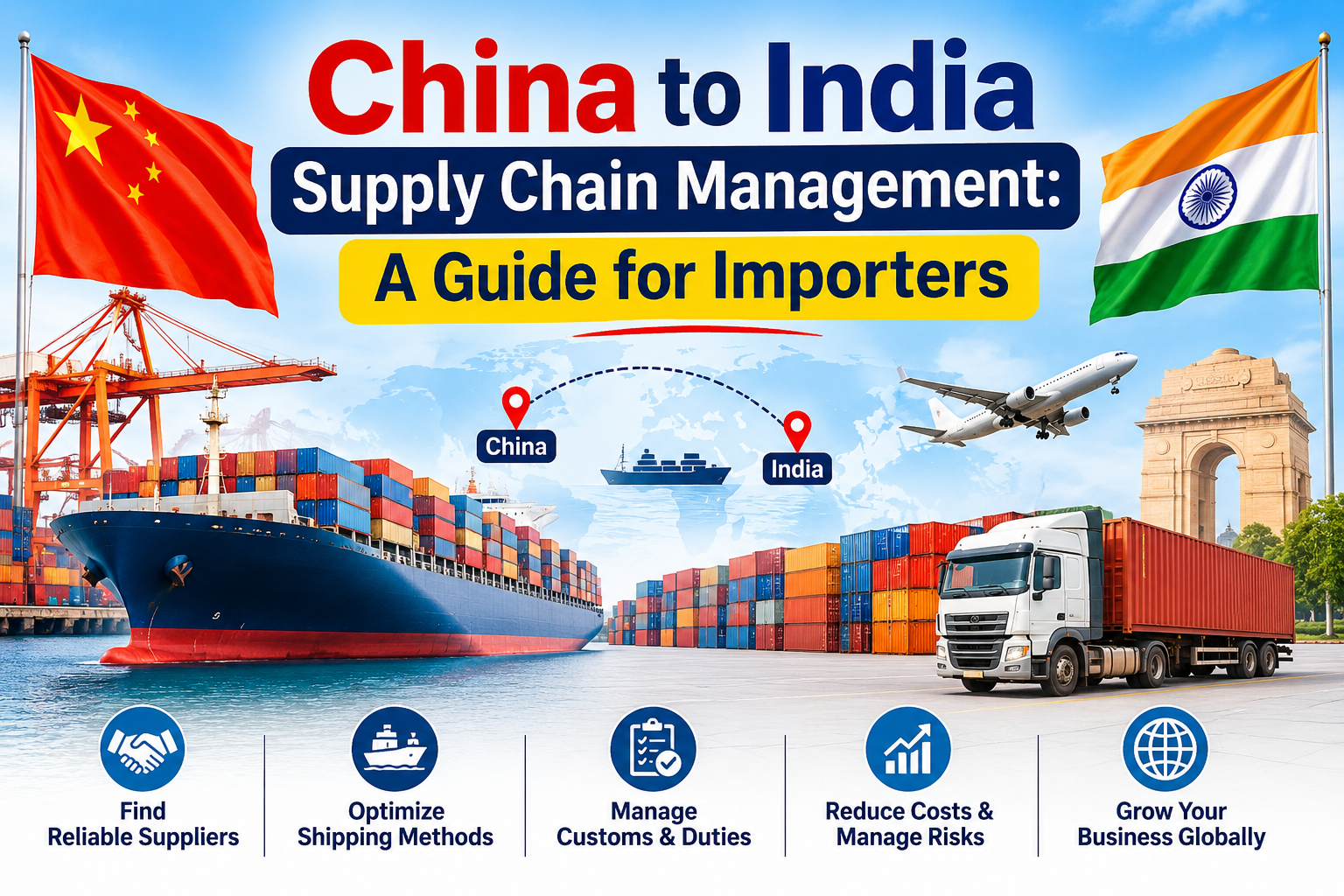
Importing products from China to India has become an important business strategy for manufacturers, wholesalers, retailers, and small business owners. China offers a wide range of products, competitive manufacturing costs, and access to established global supply networks. However, successfully importing goods requires more than finding affordable suppliers. Businesses must manage several activities, including product sourcing, supplier verification, shipping, customs clearance, inventory planning, and final delivery.
Effective China to India supply chain management helps importers reduce logistics costs, avoid unnecessary delays, maintain product quality, and ensure smooth business operations. Whether you are importing electronics, machinery, textiles, accessories, or industrial components, understanding the complete supply chain process can make your import business more profitable.
This guide explains the key stages of managing a supply chain from China to India and shares practical tips for Indian importers.
1. Understand the China to India Supply Chain Process
A supply chain includes every step involved in moving products from the manufacturer to the final customer. When importing from China, the process generally involves:
- Identifying products and reliable Chinese suppliers
- Negotiating product prices and order quantities
- Checking product quality and specifications
- Arranging domestic transportation in China
- Selecting suitable international shipping methods
- Managing Indian customs clearance
- Paying applicable import duties and taxes
- Transporting goods to the final destination in India
Each stage plays an important role in successful importing. Poor coordination at any point can result in additional expenses, delayed shipments, or damaged products.
A well-organized supply chain ensures that products move efficiently from Chinese suppliers to Indian businesses.
2. Find Reliable Suppliers in China
Supplier selection is one of the most important parts of international supply chain management. Choosing an unreliable supplier can lead to poor-quality products, incorrect quantities, communication problems, and delivery delays.
Before placing an order, Indian importers should:
- Verify the supplier’s business credentials.
- Check product specifications and manufacturing capabilities.
- Request product samples before bulk purchases.
- Compare quotations from multiple suppliers.
- Confirm minimum order quantities (MOQ).
- Discuss packaging, delivery schedules, and payment terms.
- Establish clear quality inspection requirements.
Platforms such as Alibaba and Made-in-China can help businesses identify potential suppliers. However, businesses should independently verify suppliers before making significant payments.
Building long-term relationships with dependable manufacturers can improve pricing, product consistency, and order management.
3. Choose the Right International Shipping Method
Selecting the appropriate shipping method is essential for controlling transportation costs and delivery timelines.
Indian importers generally choose between air freight and sea freight depending on product type, shipment volume, urgency, and budget.
Air Freight from China to India
Air freight is suitable for urgent shipments, lightweight products, high-value goods, and smaller consignments.
Advantages:
- Faster transportation compared to sea freight.
- Suitable for urgent business requirements.
- Better option for high-value and time-sensitive products.
- Useful for smaller shipments.
Sea Freight from China to India
Sea freight is commonly used for bulk orders, heavy machinery, furniture, raw materials, and large commercial shipments.
Advantages:
- Economical for large shipment volumes.
- Suitable for heavy and bulky products.
- Supports Full Container Load (FCL) and Less than Container Load (LCL) shipments.
The right shipping method depends on your business requirements. Importers should compare transportation costs, estimated transit times, handling charges, and other applicable expenses before making a decision.
4. Understand Indian Customs Clearance and Import Duties
Customs clearance is a critical stage in the China to India supply chain. Imported products must comply with Indian customs regulations before they can be released for domestic transportation.
Importers should prepare the necessary documentation, which may include:
- Commercial Invoice
- Packing List
- Bill of Lading or Airway Bill
- Import Export Code (IEC)
- Certificate of Origin, where applicable
- Bill of Entry
- Product-specific certificates or approvals, where required
Import duties and taxes depend on the product classification, applicable tariff rates, and current Indian regulations.
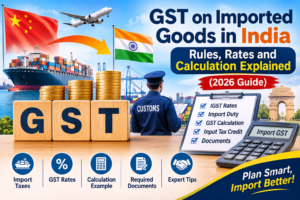
Importers should identify the correct Harmonized System of Nomenclature (HSN) or ITC-HS classification for their products and calculate applicable customs duties, Integrated GST (IGST), and other charges.
Certain products may require additional approvals or compliance with regulations issued by authorities such as BIS, FSSAI, or other relevant departments.
Working with an experienced customs clearance professional can help businesses understand documentation requirements and reduce avoidable clearance problems.
5. Manage Product Quality and Inspection
Product quality directly affects customer satisfaction, brand reputation, and business profitability.
Importing large quantities without checking product quality can create serious financial risks. Therefore, quality control should be included in every stage of the supply chain.
Consider the following practices:
- Request samples before confirming bulk orders.
- Share detailed product specifications with suppliers.
- Check raw materials and manufacturing standards.
- Arrange pre-shipment inspections when appropriate.
- Verify product quantities and packaging.
- Confirm that products meet applicable Indian safety and compliance requirements.
For businesses importing electronics, machinery, toys, electrical equipment, and other regulated products, checking mandatory certifications and product standards is particularly important.
Quality inspections help reduce defective products, customer complaints, and unexpected replacement costs.
6. Control Shipping Costs and Import Expenses
Managing import expenses is essential for maintaining healthy profit margins. The actual cost of importing products from China involves more than the supplier’s product price.
Common expenses include:
- Product purchase cost
- Supplier handling and packaging charges
- Transportation within China
- International freight charges
- Cargo insurance
- Customs duties and applicable taxes
- Customs clearance and documentation charges
- Indian transportation and delivery expenses
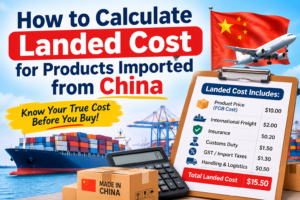
Businesses should calculate the total landed cost before confirming an order.
Landed cost represents the overall expense of bringing imported products to the intended destination, including relevant product, shipping, customs, handling, and other applicable charges.
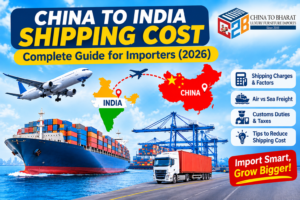
Comparing freight quotations, consolidating shipments, planning orders in advance, and selecting appropriate packaging can help reduce unnecessary logistics expenses.
7. Improve Inventory and Warehouse Management
Efficient inventory management helps importers maintain the right stock levels and avoid unnecessary storage expenses.
Businesses that depend on Chinese suppliers should consider shipping schedules, product demand, seasonal fluctuations, and supplier production timelines when planning inventory.
Some useful inventory management practices include:
- Forecasting product demand.
- Maintaining appropriate safety stock.
- Tracking incoming shipments.
- Monitoring warehouse inventory.
- Avoiding excessive stock purchases.
- Planning repeat orders based on sales performance.
For small and medium-sized businesses, proper inventory planning is particularly important because delayed shipments or excess stock can affect cash flow.
Using inventory management software can also help businesses track stock movement and make better purchasing decisions.
8. Use Technology to Track Shipments and Manage Logistics
Technology plays an important role in modern supply chain management. Importers can use digital platforms and logistics tracking systems to monitor shipment progress and improve coordination.
Shipment tracking helps businesses understand important transportation milestones, including cargo pickup, export processing, departure, arrival, customs clearance, and final delivery.
Digital documentation also reduces paperwork-related errors and improves communication between suppliers, freight forwarders, customs professionals, and buyers.
Businesses should maintain organized records of invoices, shipping documents, supplier agreements, and payment details for future reference.
9. Common Supply Chain Challenges When Importing from China
Indian importers may face several challenges while managing international shipments.
Shipping delays: Weather conditions, port congestion, and transportation disruptions can affect delivery schedules.
Customs issues: Incorrect documentation, product classification errors, or missing approvals can delay clearance.
Supplier problems: Unverified suppliers may deliver incorrect products or fail to meet agreed quality standards.
Unexpected costs: Additional handling, storage, demurrage, and other charges can increase the total import expense.
Communication gaps: Differences in time zones, language, and business practices can create misunderstandings.
To minimize these risks, importers should plan shipments carefully, verify suppliers, maintain accurate documentation, and work with dependable logistics partners.
10. Why Choose ChinaToBharat for China to India Logistics?
Managing an international supply chain can be challenging, especially for businesses importing products for the first time. Having the right logistics partner can make the process easier and more organized.
ChinaToBharat helps businesses navigate China-to-India sourcing and shipping requirements by supporting their import and logistics needs.
Whether you are a startup importing your first products, a wholesaler purchasing bulk inventory, or an established company managing regular shipments, choosing an appropriate logistics solution is important for your business.
A dependable logistics partner can help coordinate important activities such as shipment planning, transportation, documentation, and delivery arrangements.
Visit ChinaToBharat to explore its China-to-India import and logistics services.
Conclusion
Effective China to India supply chain management is essential for businesses that want to import products efficiently, control costs, and maintain consistent product quality. From selecting reliable suppliers and choosing the right freight method to managing customs clearance and inventory, every stage requires proper planning and coordination.
Indian importers should focus on supplier verification, accurate documentation, quality inspections, shipment tracking, and total landed cost calculations to avoid common import challenges.
With a well-planned supply chain and the right logistics support, businesses can improve operational efficiency, reduce unnecessary expenses, and build stronger international sourcing networks.
If you are planning to import products from China to India, start by understanding your requirements and choosing a logistics partner that can support your business throughout the import journey.
Frequently Asked Questions (FAQs)
1. What is supply chain management in China to India imports?
It is the process of managing product sourcing, supplier coordination, transportation, customs clearance, inventory, and delivery when importing goods from China to India.
2. What is the best shipping method from China to India?
Air freight is suitable for urgent and smaller shipments, while sea freight is generally more economical for large, heavy, and bulk shipments.
3. What documents are required to import goods from China to India?
Common documents include a commercial invoice, packing list, Bill of Lading or Airway Bill, Import Export Code, and Bill of Entry. Additional certificates may be required depending on the product.
4. How can Indian importers reduce China to India shipping costs?
Businesses can compare freight quotations, consolidate shipments, plan purchases in advance, optimize packaging, and calculate total landed costs before ordering.
5. Why is supplier verification important when importing from China?
Supplier verification helps reduce the risk of poor-quality products, payment fraud, incorrect shipments, and unexpected delays.
6. Can small businesses import products from China to India?
Yes. Small businesses can import products by choosing suitable suppliers, understanding applicable import regulations, selecting appropriate shipping options, and planning their budgets carefully.